Serving Maricopa, AZ and surrounding areas. (520) 217-7297
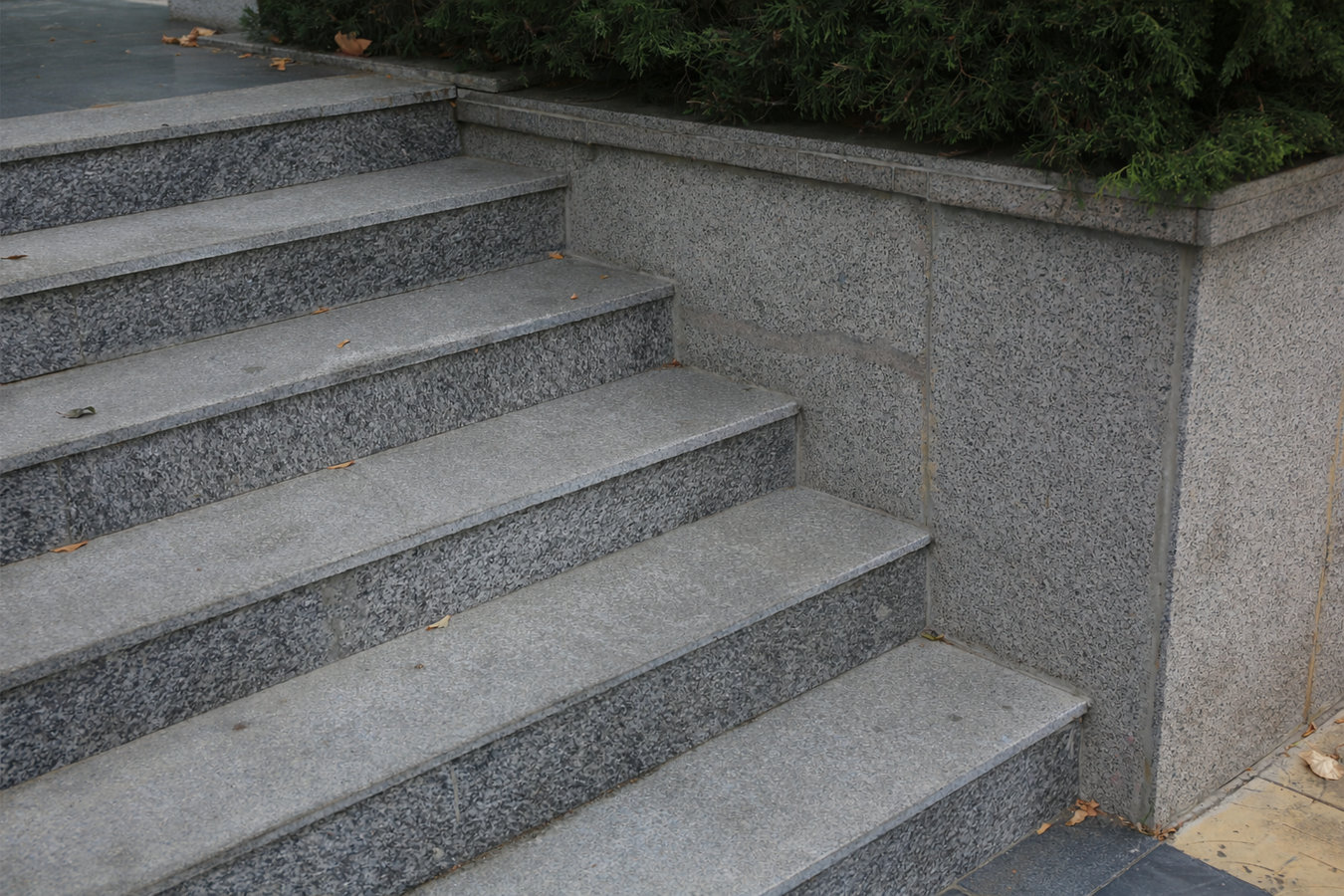
Cracked, tilting, or worn-out entry steps are a daily hazard and a curb-appeal problem. We build concrete steps in Maricopa that are level, reinforced, and built to last through desert heat and shifting soil.
Concrete steps construction in Maricopa means pouring a permanent, reinforced staircase at your home entry - most residential jobs with three to five steps are completed in one to two days of active work, with a curing period before normal use resumes.
Your front steps are probably the most-used piece of concrete on your property. Every time you leave, every time a guest arrives - those steps take the load. In Maricopa, where clay-heavy soil shifts through wet and dry cycles and summer heat accelerates surface wear, steps that were not built properly from the start tend to show it sooner than you would expect. Homes built during the 2000s building boom often had builder-grade entry steps installed quickly, and many of those are now cracking, tilting, or pulling away from the house. Many homeowners who replace their steps also look at concrete retaining walls at the same time to address yard slopes or erosion near the entry.
The good news is that a properly built set of concrete steps is one of the most durable things you can add to your home. Get the base right, use internal reinforcement, and seal the surface - and those steps will be solid for 25 years or more without significant maintenance.
Cracks wider than a hairline - especially ones running all the way across a step - signal that the structural integrity of that step is compromised. In Maricopa, this kind of cracking is often caused by clay soil shifting beneath the steps during wet and dry cycles. Small surface cracks can sometimes be patched, but wide or deep cracks usually mean full replacement.
If any step moves when you put your weight on it, or if the whole staircase seems to lean away from the house, the base beneath the steps has likely shifted. This is a safety issue, not just a cosmetic one. In Maricopa's clay-heavy soil, this kind of settling is common - especially in homes built during the rapid growth years of the mid-2000s.
A gap between your steps and the house means the two structures have moved independently. Water collects in these gaps during monsoon rains and works into the foundation over time. If you can fit more than a finger's width into the gap, have a contractor assess whether repair or replacement is the right call.
Spalling is when the top layer of concrete flakes off, leaving a rough, pitted surface. In Maricopa, intense UV exposure and heat accelerate this on steps that were never sealed after installation. Beyond looking worn, a spalled surface creates uneven footing - a real tripping hazard, especially for older family members or guests.
We handle everything from demo to final walkthrough. If there are existing steps, we break them up and haul them away before any new work begins. We excavate beneath the step footprint, compact the soil, and add a stable base layer - the ground prep that you cannot see once the job is done, but that determines whether the steps stay level for 5 years or 25. Internal steel reinforcement goes into every set of steps we pour, because concrete without it is just gambling on the desert soil not moving. After the pour, we finish the surface with a texture that gives you grip when the monsoon rains make the steps wet. Homeowners who want to carry the project further can also look at slab foundation building if the entry slab the steps rest on has also settled or cracked.
Finish options range from a simple broom finish - slightly rough, slip-resistant, and the most common choice for entry steps - to stamped or textured surfaces that add a decorative touch. If you live in one of Maricopa's HOA communities, we review the guidelines before finalizing the design so the finished steps match what your association requires. Every set of steps we install gets sealed before we leave, and we walk you through when and how to reseal in the years ahead.
Best for homes without existing steps or where the current steps have failed structurally and cannot be patched.
Suits homeowners replacing builder-grade steps that are cracking, tilting, or pulling away from the house foundation.
The practical, reliable choice - slightly rough surface for grip, works in any HOA, and holds up well in desert sun.
For homeowners who want a custom look at the front entry, with finish options that can complement an existing patio or pathway.
Maricopa regularly sees summer temperatures above 110 degrees Fahrenheit, and pouring concrete in that kind of heat is genuinely risky. When concrete dries too fast, the surface can crack before it has a chance to cure properly from the inside out. Experienced local contractors schedule pours in the early morning - often starting well before the heat of the day - during summer months, and use additives that slow the drying process. If a contractor proposes a midday pour in August without any plan to manage the heat, that is worth questioning directly. The soil beneath Maricopa steps is the other big factor - clay-heavy layers in many neighborhoods expand and contract with seasonal moisture changes, and steps that are not properly supported with a compacted base can shift within a few years.
We serve homeowners throughout the area, including projects in Casa Grande and Goodyear. Monsoon season also creates a narrow window for exterior concrete work - freshly poured concrete that gets hit with heavy rain before it sets can wash out and weaken. We schedule around these conditions and, when needed, have a plan in place to protect a pour if weather moves in unexpectedly.
We respond within 1 business day. We will ask how many steps you need, whether you are replacing existing steps, and what your entry looks like - just enough to know what we are working with before scheduling a visit.
We come to your property, measure the entry, check the existing surface or ground, and look at whether any demolition is needed first. This visit is where the real estimate gets built - and where you should ask any questions about materials, timing, and how the heat will be managed.
Old steps get broken up and removed before anything new goes in. We excavate, compact, and build a stable base layer beneath the step footprint. Plan to use an alternate entry during the work day - your main entry will be blocked while we work.
We build the form, pour the concrete, finish the surface to your chosen texture, and apply sealer once cured. Expect 48 to 72 hours before the steps are safe for foot traffic. We walk you through the full maintenance schedule before we leave.
Free on-site visit. No pressure. We respond within 1 business day.
(520) 217-7297The most common reason steps fail in Maricopa is a base that was not properly compacted before the pour. We excavate, add fill material, and compact - the same process on every job, regardless of project size.
We schedule concrete pours before the heat peaks during summer months and use additives to slow the drying process. This is how you avoid surface cracking on steps that need to cure properly from the inside out.
Our Arizona Registrar of Contractors license is active and publicly searchable at roc.az.gov. That license means you have real recourse with a state oversight body if anything goes wrong.
We work throughout Maricopa and the surrounding region - from Rancho El Dorado and Smith Farms to newer subdivisions on the east side of the city. Local experience means we know the soil and the HOA requirements that vary neighborhood to neighborhood.
Steps that look good on installation day but crack or tilt within a few seasons are a sign that the base and reinforcement were not done right. We focus on those details because they are what makes the difference between steps that last two years and steps that last twenty.
For concrete curing and installation standards, the Portland Cement Association curing guide is a reliable reference. Arizona contractor licensing can be verified directly at roc.az.gov. For permit requirements specific to Maricopa, contact the City of Maricopa Building Safety division.
If your steps are shifting because the entry slab beneath them has settled, a slab foundation assessment and rebuild addresses the root cause.
Learn morePair new entry steps with a concrete retaining wall to manage elevation changes and erosion throughout your front or backyard.
Learn moreCracked or unstable steps only get worse through summer heat and monsoon rains - reach out now for a free estimate and let us get your entry back to solid.