Serving Maricopa, AZ and surrounding areas. (520) 217-7297
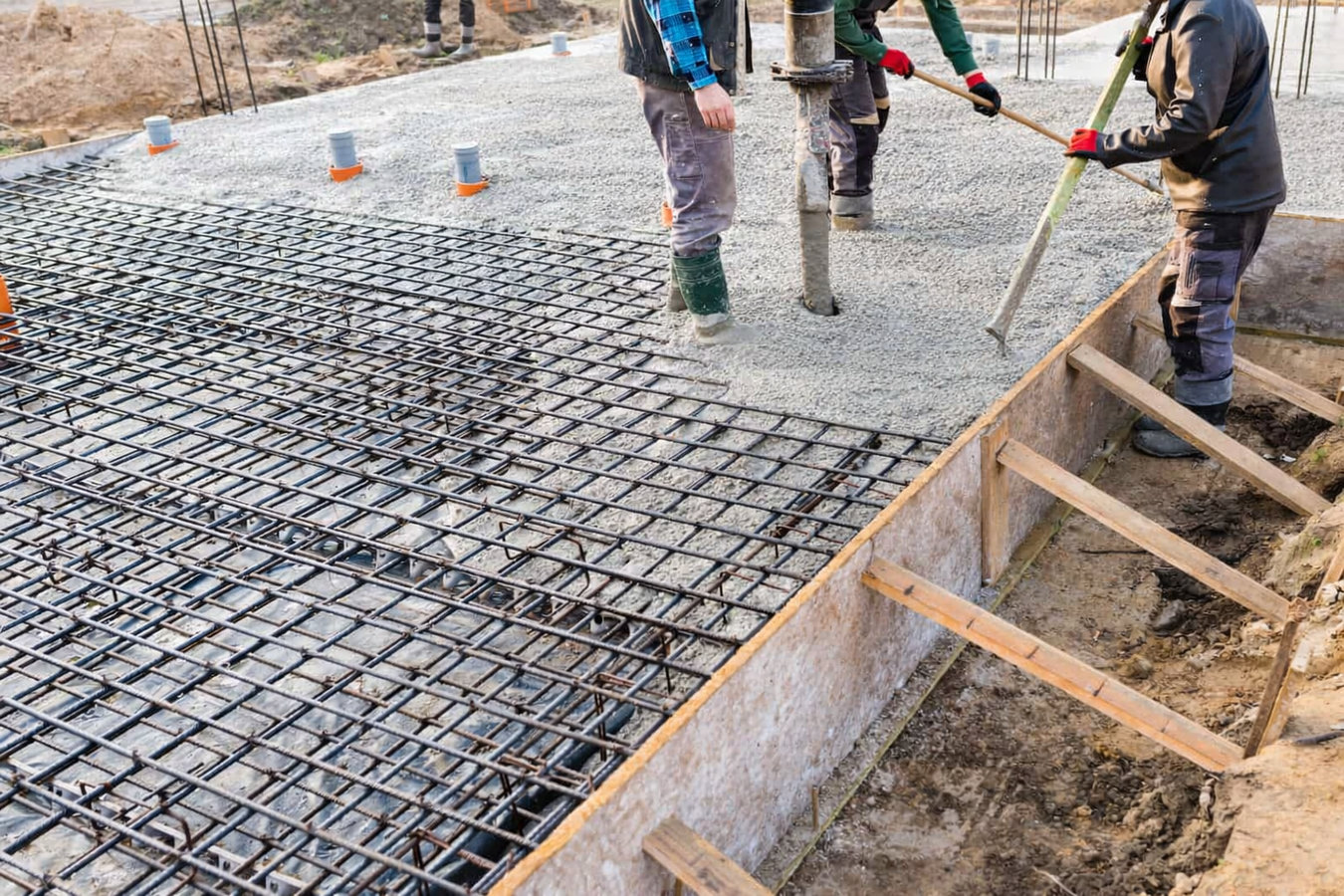
Everything above ground depends on what is below it. We install foundations in Maricopa with proper soil prep, city-permitted pours, and heat-managed curing - so your home starts on solid ground.
Foundation installation in Maricopa means placing the concrete base that transfers your structure's full weight safely into the ground - most standard residential foundations take two to five days of active work, plus a curing period before framing begins.
Your foundation is the part of your home you will never see once construction is done, but everything that happens above ground depends on it. In Maricopa, where desert soils include expansive clay and caliche - a hard calcium-carbonate layer common throughout Pinal County - the prep work before any concrete is mixed is what separates a foundation that holds for decades from one that cracks within a few years. Homeowners planning a new build often ask about both foundation installation and slab foundation building at the same time - the difference usually comes down to project scope and how much of the construction coordination you want handled under one roof.
Any new foundation installation in Maricopa requires a building permit and a city inspection before concrete is poured. We handle the permit application and schedule the inspection on your behalf. That city inspector - working independently of your contractor - confirms the forms, steel, and underslab plumbing are all set correctly before a single yard of concrete goes in. It is the single most important check on the whole job.
If interior doors that used to swing freely now drag on the floor or refuse to latch, or windows have become hard to open and close, the frame around them may be shifting. This kind of movement often traces back to the foundation settling unevenly beneath the home. In Maricopa, where clay-heavy soils shift with seasonal moisture changes, these signs can develop gradually and then worsen quickly after a wet monsoon season.
Small hairline cracks in drywall are common and usually harmless, but cracks that run diagonally from the corners of windows and doors, or cracks in your concrete floor wider than a pencil tip, can signal that the foundation is moving. Homes built during Maricopa's rapid early-2000s growth are now old enough that soil movement under improperly prepared slabs has started to show.
Walk slowly through your home and pay attention to whether the floor feels level. A slope, a soft spot, or a section that feels different underfoot can mean the slab beneath has settled or cracked in that area. This is especially worth checking in older homes where soil prep was rushed during the rapid building years.
After a monsoon storm, watch where the water goes. If it pools against the side of your home rather than draining away, it is soaking into the soil right next to your foundation. In Maricopa's expansive soils, repeated wet-dry cycles can cause the ground to push against and eventually crack the concrete. Catching this early is much cheaper than repairing a damaged foundation later.
If you are adding a room, a garage, an accessory dwelling unit, or any other permanent structure, you will need a new foundation installed before framing can begin. In Maricopa, this requires a permit and inspection - the earlier you start the process, the sooner you can break ground.
We start with the ground - not the concrete. Before any forms are set, we grade and compact the soil, address caliche if it is present, lay the gravel drainage base, and install underslab plumbing. That prep stage is where most foundation problems originate when a contractor rushes through it, and it is where we spend the most time. Steel reinforcing bars go into every foundation we install - the internal skeleton that holds the concrete together if the soil shifts over time. Homeowners building commercial properties or multi-unit projects often combine foundation installation with concrete parking lot building so the full site is paved and graded in a single coordinated project.
We apply for the permit with the City of Maricopa Building and Safety Division and coordinate the city inspection - neither of those steps falls on you. After the pour, we manage the curing process: in Maricopa's summer heat that means early-morning pours, curing compounds applied to the surface, and sometimes shading the slab during the first critical hours. A foundation that dries too fast in desert heat is a foundation that starts weak. When the job is complete, we walk you through the work, hand you the permit paperwork and inspection records, and explain the warranty terms before we leave the site.
Full installation for new single-family homes - soil assessment, permitted pour, city inspection, and drainage-ready grading.
Detached garages, casitas, and ADUs - properly sized, permitted, and tied to the existing lot grade.
Larger pads for commercial builds, duplex construction, or multi-unit projects that require engineered design coordination.
New foundation sections that connect correctly to the existing home slab - matched in elevation and drainage pattern.
Maricopa is one of the fastest-growing cities in Arizona, and the City of Maricopa Building and Safety Division processes a high volume of permit applications as a result. Permit approval for a new foundation can take several weeks - sometimes longer during busy construction seasons - so starting the permit process early is part of managing any project here correctly. A large share of Maricopa's residential neighborhoods are also governed by homeowners associations that require architectural review before construction begins. That HOA review is a completely separate process from the city permit, and it can add additional weeks to a project start date if you do not plan for it. We know how both processes work and factor them into the schedule from day one.
We install foundations for homeowners across the region, including projects in Goodyear and Chandler. Monsoon season - mid-June through September - can saturate a freshly prepared site and delay pours, so we schedule foundation work to avoid that window when possible, and protect prepared sites between stages when a project must run during summer.
You reach out and we ask a few basic questions - what you are building, the approximate size, and whether you have plans or a permit started. We schedule a site visit before giving you a firm price, because foundation work depends heavily on what is actually in the ground. Expect a written, itemized estimate within one business day of the visit.
We submit the permit application with the City of Maricopa Building and Safety Division on your behalf. If your neighborhood has an HOA, we flag the architectural review requirement upfront so you can start that process in parallel. In Maricopa's active construction market, permit approval typically takes one to three weeks - we build that into your timeline from the start.
Once the permit is cleared, the crew grades the site, compacts the soil, breaks through caliche where needed, lays the gravel base, and sets the wooden forms. Underslab plumbing goes in at this stage. A city inspector visits before any concrete is poured to verify that forms, steel, and plumbing are all correctly in place.
The pour happens in a single session - early morning in summer months to manage heat. After the concrete is placed, we apply curing protection and walk you through the timeline before framing can begin. We hand you the permit record, inspection documentation, and warranty terms before leaving the site.
We will visit your site, assess the soil, and give you a written estimate with no obligation - itemized so you can compare it honestly against any other quote you receive.
(520) 217-7297We apply for every required permit through the City of Maricopa Building and Safety Division before a single shovel touches the ground. Skipping permits creates real problems - unpermitted work can surface during a home sale or an insurance claim and cost far more to remediate than the permit ever would have.
Caliche and expansive clay soils are common under lots throughout Maricopa and the surrounding Pinal County area. We assess what is actually under your property before designing the foundation - not after. The American Concrete Institute and Portland Cement Association both identify proper subgrade preparation as the most critical factor in long-term slab performance.
Arizona requires any contractor performing work valued at $1,000 or more to hold a license through the Arizona Registrar of Contractors. You can verify our license directly at roc.az.gov before signing anything. A licensed contractor has passed background and financial checks and is accountable to a state agency if something goes wrong.
Every foundation we install comes with a written warranty covering structural defects. We hand you that documentation along with the permit records and inspection paperwork when the job is done. You will have a paper trail that protects your investment and supports the home's value if you ever decide to sell.
These proof points add up to one thing: you will know what was done, how it was done, and who is responsible if anything is not right. That peace of mind is something every homeowner deserves on a project this important - and something we are glad to provide on every job we take in Maricopa and the surrounding area.
You can verify any contractor's Arizona license status at roc.az.gov before hiring. Permit requirements for Maricopa are published by the City of Maricopa Building and Safety Division. The National Association of Home Builders provides homeowner guidance on contractor selection, warranties, and new construction standards.
For commercial and multi-unit properties that need a durable paved surface installed alongside or after the foundation work.
Learn moreA focused slab-only build for homeowners adding a garage, casita, or extension - without the full new-construction scope.
Learn morePermit slots in Maricopa fill fast - locking in your start date now keeps your project on schedule and avoids the heat and monsoon delays that push summer builds back by weeks.