Serving Maricopa, AZ and surrounding areas. (520) 217-7297
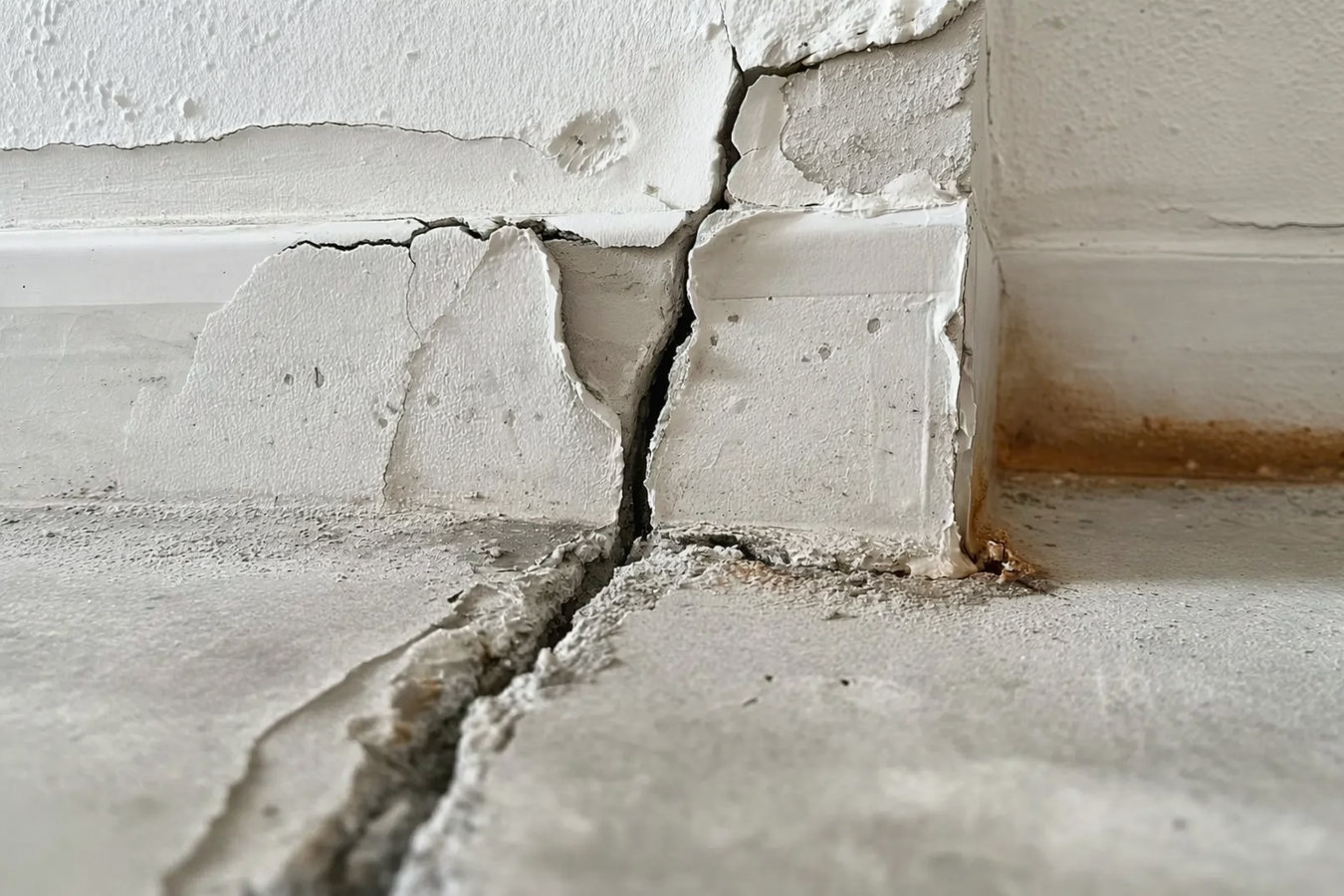
A sinking slab does not always need to be torn out. Foundation raising in Maricopa lifts settled concrete back to level without the cost or disruption of full replacement.
Foundation raising in Maricopa is the process of pushing a sunken concrete slab back to its original level by drilling small holes through the slab and pumping material underneath to fill the void and lift the concrete - most residential jobs are completed in a single day, and foam injection cures in as little as 15 minutes so you can use the surface almost immediately.
Many Maricopa homeowners are surprised to learn that foundation raising is far less disruptive than a full slab replacement. There is no torn-up yard, no weeks of construction, and no concrete trucks backing into the driveway. If your slab is structurally sound but has dropped because the soil underneath shifted, raising is often the smarter - and much more affordable - fix. Homeowners whose slabs are more severely damaged sometimes need to look at full slab foundation building instead, but an honest on-site assessment will tell you which situation you are in.
Maricopa sits on expansive clay soils that shrink in dry months and swell when monsoon rain hits. That repeated movement is the most common reason foundations settle here, and it affects homes of all ages throughout the city - not just older ones.
When a slab shifts, the door frames and window frames shift with it - and doors that used to swing freely start catching or refusing to latch. This often shows up after a long dry stretch or right after Maricopa's monsoon season. If two or more doors in the same area of your home start acting up at the same time, that is a pattern worth investigating.
Walk along the edges of your rooms and look where the wall meets the floor. A gap that was not there before - or one that seems to be growing - means the slab beneath that section may have dropped. In Maricopa homes built during the rapid growth years of the 2000s, this gap often appears in the first 10 to 15 years as the soil finishes settling.
Diagonal cracks that start at the corners of door or window openings and run up the wall at an angle are a classic sign of differential settling - one part of your slab has dropped more than another. These are different from the small hairline cracks that appear in drywall from normal temperature swings. If the crack is wider than a pencil tip or is growing, call a contractor.
After a monsoon storm, walk around the outside of your home and watch where the water goes. If it is pooling against your foundation or sitting in low spots near the slab edge instead of draining away, the ground has likely settled unevenly. In Maricopa's monsoon season, repeated pooling in the same spot can erode soil under your slab surprisingly quickly.
We start every foundation raising job with a proper on-site assessment - looking at the affected slab, checking the surrounding soil and drainage, and determining how much the concrete has dropped and why. That evaluation informs which method makes the most sense for your specific situation. Mudjacking uses a cement-and-soil mixture pumped under the slab - it has been used for decades, costs less upfront, and works well for larger areas where adding some weight to the soil is not a concern. Foam injection uses a lightweight expanding foam that cures in about 15 minutes, puts far less additional weight on the soil, and is a good fit for Maricopa's expansive soils where adding mass can sometimes worsen underlying movement. Homeowners dealing with a slab that has settled so severely it needs full replacement will be referred to our concrete cutting service first to remove the damaged sections cleanly before a new pour is scheduled.
Whatever method we use, the process follows the same arc - drilling small holes in a pattern across the affected area, slowly pumping material underneath while monitoring the lift carefully, bringing the slab back to level, and then patching the drill holes neatly before cleanup. On foam jobs, you are often back on the surface within 30 minutes. On cement-based jobs, we will tell you exactly how long to stay off the surface before vehicle traffic is safe again.
Cost-effective option for larger settled areas - driveways, walkways, and patio slabs - where the soil can support the added weight of the grout mix.
Lightweight, fast-curing method suited for Maricopa homes on expansive soils where adding weight is a concern. Cures in 15 minutes.
Lifting settled interior slabs in garages, bonus rooms built on slab, or enclosed patios where the floor has dropped and created an uneven surface.
Raising individual sections of a concrete driveway or walkway that have sunk unevenly - eliminating trip hazards and restoring a consistent surface level.
Maricopa is built almost entirely on Sonoran Desert soils that contain a significant amount of expansive clay. These soils shrink during long dry winters and swell when monsoon rain hits in summer - and that cycle repeats every year without pause. Nearly all of the city was built after 2003, meaning most homes are between 15 and 25 years old - exactly the age when post-construction soil settlement starts showing up in earnest. Homeowners in neighborhoods throughout the city, from Gilbert to the growing edge of Maricopa's south side, regularly deal with doors that stick, floors that feel off, and slabs that have visibly dropped at a corner or along one edge.
Maricopa's monsoon season - which runs from late June through September - is a direct trigger for foundation issues. Fast, heavy storms dump large amounts of water on soil that has been bone-dry for months, and that sudden moisture causes the soil to shift and settle unevenly under slabs. Many homeowners in the area notice problems in late summer or early fall, right after storm season ends. Contractors working in Casa Grande and throughout Pinal County see the same pattern - which is why scheduling a foundation raising assessment before storm season, not after, is almost always the smarter move.
We will ask a few basic questions - where the settling is happening, how long you have noticed it, and whether you have seen any cracks or sticking doors. You do not need to have all the answers. Most inquiries get a response within 1 business day.
We come to your Maricopa home, walk the slab, check drainage, and look at the soil conditions around your foundation. At the end, you get a clear explanation of what we found and a written estimate - not a sales pitch for the most expensive option.
Depending on scope, a permit from the City of Maricopa Development Services department may be needed. A reputable contractor handles that for you. We coordinate the permit process so you do not have to visit any city office.
The crew drills small holes, pumps material under the slab, raises it slowly to level, and patches the drill holes. Most jobs are done in a few hours. Foam injection jobs are walkable in 30 minutes. We do a final walkthrough with you before leaving.
No pressure, no obligation - just a straight answer about what your slab needs and what it will cost.
(520) 217-7297We come out, look at the slab in person, and tell you what we actually see - including whether raising makes sense or whether replacement is the better call. We do not recommend the most expensive option by default, and we will explain our reasoning clearly.
Maricopa's expansive clay soils mean that adding unnecessary weight to the ground can sometimes make a settling problem worse over time. We choose between foam and cement-based methods based on your soil conditions and slab load - not just what is easiest to apply.
Any contractor doing foundation work in Arizona must hold an active license through the Arizona Registrar of Contractors. You can verify a license on the ROC website at{" "} roc.az.gov in about two minutes. We carry all required licensing and coverage for work in Pinal County.
Maricopa falls under Pinal County regulations, and the City of Maricopa has its own Development Services department that oversees permitted structural work. We know which jobs require permits and handle the process on your behalf - protecting your investment and your resale value.
Foundation raising is one of those services where the quality of the assessment matters as much as the quality of the lift. We give you both - a clear picture of what is happening under your slab and a method that fits Maricopa's conditions.
For standards and best practices on slab lifting, see the Concrete Network slab lifting guide. Arizona contractor licensing requirements are published by the Arizona Registrar of Contractors. Local permit requirements are handled by the City of Maricopa Development Services.
When a settled slab has cracked beyond repair, precise cutting removes only the damaged section so it can be properly replaced without disturbing surrounding concrete.
Learn moreFor structures that need a new slab from the ground up rather than a lift, we handle the complete permitted pour sized for Maricopa's desert soil conditions.
Learn moreFoundation issues in Maricopa get worse every time the monsoon rolls through. Call or submit your project details today and we will get back to you within 1 business day.